Roof Replacement in Tampa
Roof replacement in Tampa for shingle, tile and metal roofs, with an itemized estimate and a permit before work starts.
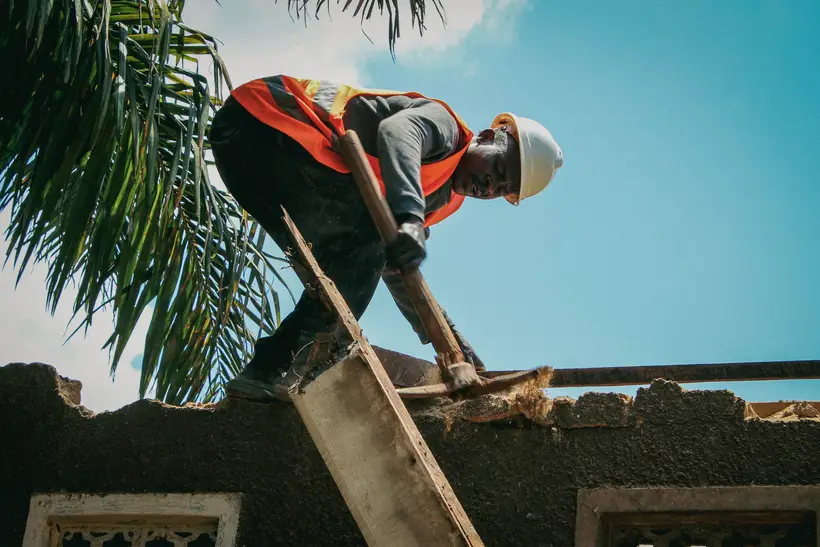
A roof replacement in Tampa is one of the biggest checks a homeowner writes, and most people only do it once or twice. So we try to make it boring in the best way: you know what’s being done, what it costs and when it’s finished, before anyone climbs a ladder.
When replacement makes more sense than repair
Plenty of roofs we look at don’t need replacing. A few cracked tiles, a lifted row of shingles or a tired pipe boot are repairs, and we’ll say so. Replacement starts to make sense when the problems stop being isolated:
- Shingles are curling, cupping or shedding granules across most of the roof, not just one slope.
- Soft spots underfoot tell us the deck underneath has been wet for a while.
- Several leaks have been patched and new ones keep appearing.
- Tile is sound but the underlayment beneath it has reached the end of its life, which is where most tile roofs actually fail.
- Your insurer is asking about the roof’s age and remaining life.
We show you photos of what we found and explain which of these apply. If a repair will buy you real time, you’ll hear that first.
Shingle, tile or metal
Around Tampa Bay you’ll see three kinds of roof on almost every street, and each has a different job to do.
Architectural shingles are the most common choice on newer homes in Riverview and Brandon. They’re quicker to install, easier to repair and cost less up front. Modern shingles rated for high wind are built for Florida, as long as they’re fastened and sealed the way the manufacturer and the code require.
Concrete and clay tile suits the Mediterranean and Spanish styles you see across South Tampa and in many planned communities. The tile itself can last a very long time. The underlayment beneath it is what wears out, so a tile replacement is often a careful lift-and-relay: we take the good tile off, replace the underlayment and battens, and set it back with new pieces where needed.
Standing seam metal sheds heavy rain fast, reflects a lot of summer heat and handles wind well when it’s attached correctly. It costs more at the start, and it’s a good fit for homeowners planning to stay put.
We’ll talk through what your home’s style, your budget and your plans call for. There’s no single right answer, and we don’t push one.
What’s on your estimate
Your written estimate is itemized, so you can compare it line by line with anyone else’s:
- Tear-off and disposal of the old roof
- Decking replacement, priced per sheet, only where it’s needed
- Underlayment and the secondary water barrier
- The roof covering itself, with the product named
- Flashing, drip edge, vents and pipe boots
- The building permit and inspection
- Cleanup, including a magnetic sweep for nails
What drives the total is mostly the size and pitch of the roof, the material you choose, how many layers come off, how much decking needs replacing, and how many valleys, chimneys and skylights there are to flash around. We explain each of those for your house rather than quoting a price per square foot off a chart.
Permits and the Florida Building Code
A full roof replacement in Tampa needs a building permit, and the finished work is inspected. We pull the permit, schedule the inspections and keep the paperwork for you, because you’ll want it when you sell the house or shop for insurance.
Florida’s code has strict rules on how a roof is attached and sealed against wind-driven rain, and a new roof is built to the code in effect when the permit is issued. That’s part of why a well-documented replacement can matter for insurance: Florida requires insurers to offer discounts for features that resist wind damage, such as roof covering performance and stronger roof-to-wall attachment.
How the job runs
On the day, a dumpster arrives, the crew protects your landscaping and pool cage, and the old roof comes off one section at a time. We inspect the deck as it’s exposed, replace what’s soft, dry the roof in with underlayment the same day, and then install the new covering. Before we leave, the yard and driveway get a magnetic sweep and you get photos of the finished roof.
If you’re weighing up whether it’s time, our guide on whether to repair or replace your roof walks through the same questions we ask on site.
Where we work
Questions homeowners ask
How long does a roof replacement take?
Most shingle roofs on a single-family home take one to three working days once materials arrive. Tile and metal take longer because each piece is set by hand or fabricated to length. Afternoon storms in summer can stop work for a few hours, and we never leave a roof open to the weather overnight.
Can I stay in my house during the work?
Yes, most people do. It's loud while the old roof comes off, so anyone working from home usually plans around the first day. Pets are happier somewhere quiet, and we ask you to move cars out of the driveway so the dumpster can go in.
Do I have to replace the whole roof if only part is damaged?
Not always. If your roof was built to the 2007 Florida Building Code or later, Florida law says only the part being repaired or replaced has to meet today's code. Older roofs can fall under the rule that once 25 percent or more is replaced, the whole roof has to be brought up to code. We check which applies to yours before we price anything.
What happens if you find rotten decking?
We photograph it and show you before we replace it. Your estimate lists the price per sheet of decking up front, so a surprise board or two doesn't turn into a surprise bill.