Repair or Replace Your Roof? How to Decide
Northshore Roofing ·
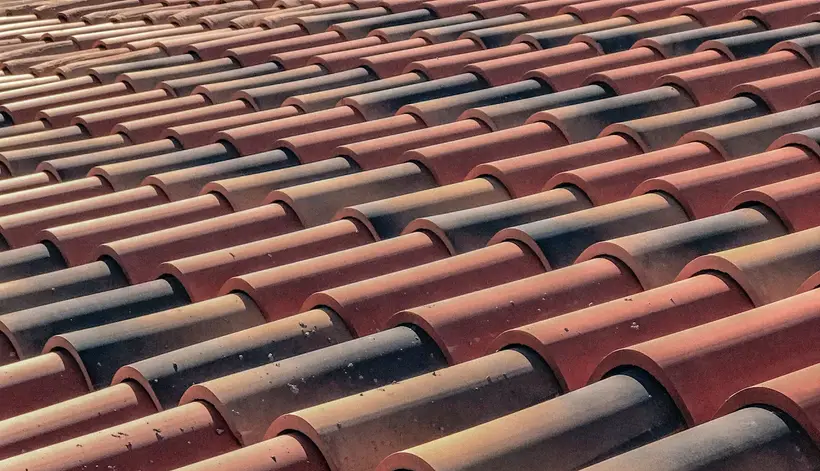
Deciding whether to repair or replace your roof usually starts with a stain on the ceiling or a few shingles in the yard after a storm. The answer depends on more than the damage you can see, and the right call protects the house without spending money too early. Here’s how we think it through on every inspection.
Start with the roof’s age
Age doesn’t decide on its own, but it sets the context. A ten-year-old shingle roof with one lifted section is almost always a repair. A roof that’s reaching the end of its expected life and has started leaking is a different conversation.
If you don’t know how old your roof is, the permit history for your house often shows when it was last replaced, and the original paperwork from your purchase may too. On a tile roof, remember that the tile and the underlayment age differently. Tile can look good for decades while the underlayment beneath it gives out.
Signs a repair is the right call
A repair is usually the answer when:
- The damage is in one place. A section torn off by wind, a cracked tile from a fallen branch, a single leak traced to one spot.
- The cause is a part, not the roof. Pipe boots, flashing, vent covers and sealant all wear out long before the roof covering does. Replacing them is routine maintenance.
- The rest of the roof is sound. Shingles hold their granules, lie flat and stay sealed. Tiles are intact and the underlayment isn’t brittle.
- The decking is solid. No soft spots when walked, no widespread staining from the attic side.
A good roof repair on a roof like that can buy many more years.
Signs it’s time to replace
Replacement makes more sense when:
- Leaks keep appearing in new places. One leak is a problem. Leaks in three spots over a year mean the roof is failing as a system.
- Shingles are worn across the roof. Curling, cracking, bald spots where the granules are gone, and lots of granules in the gutters all point to shingles near the end of their life.
- Tile underlayment has failed broadly. If lifting tiles in several areas shows brittle, torn or saturated underlayment, patching one spot won’t stop the next leak.
- The decking is soft or rotted in many places. That usually comes from years of small leaks, and fixing it means taking the roof off anyway.
- Repairs are adding up. If you’ve paid for several repairs in a short time and the next one is coming, the money may be better spent on a new roof.
The 25 percent question
Florida has a specific rule that affects big repairs. Under state law, if your roof was built, repaired or replaced to the 2007 Florida Building Code or later, and 25 percent or more of it is being repaired or replaced, only the portion being worked on needs to meet the current code.
For older roofs, that exception doesn’t apply, so a large repair on an older roof can trigger a requirement to bring more of the roof up to code. That’s one reason a repair estimate on an older home sometimes comes with a note recommending replacement instead. It isn’t upselling. It’s the code.
Your insurance and your roof’s age
Roof age matters to insurers in Florida, and the law sets some limits on how. An insurer can’t refuse to issue or renew a homeowners policy solely because a roof is less than 15 years old. For roofs 15 years or older, the homeowner can have the roof inspected by an authorized inspector, and if the inspection shows at least five years of useful life left, the insurer can’t refuse coverage solely because of the roof’s age.
So if your insurer has raised your roof’s age, an inspection might change the answer. It’s worth getting one before deciding to replace a roof that may have years left. What your policy covers, and what your insurer will accept, are questions for your insurer or agent.
Repair now, replace soon
Sometimes the honest answer is both. A roof near the end of its life with a fresh leak needs that leak stopped now, and a plan for replacement within a year or two. A modest repair keeps water out while you budget, compare estimates and pick a material.
We’ll tell you when that’s the situation, rather than selling a full replacement on the spot or patching a roof that won’t last the season.
After a storm
Storm damage changes the timeline. If a storm has opened the roof up, the first job is stopping water: a temporary cover, then an inspection and photos. Florida law gives homeowners one year after the date of loss to give notice of a property insurance claim, so there’s time to get the damage documented properly rather than signing the first contract you’re offered.
Our hurricane and storm damage service covers temporary protection and documentation, and the replacement or repair decision follows once the damage is clear.
Questions to ask any roofer
Before you agree to anything, ask:
- What exactly did you find, and can I see photos?
- If I repair it, how long do you expect the repair to hold?
- If I replace it, what’s included, and how is decking replacement priced?
- Does the work need a permit, and who pulls it?
- What’s your workmanship warranty, in writing?
A roofer who answers those clearly, with photos and an itemized price, is giving you what you need to decide. If you’d like that for your own roof, book a free inspection. We work across the region, including roofing in Brandon.
Questions homeowners ask
How long does a roof last in Florida?
It depends on the material, the installation and how it's been looked after. Shingle roofs here generally have shorter lives than tile or metal, because of the sun and the storms. Age is a starting point, but the roof's actual condition is what decides.
Will one leak mean I need a new roof?
Rarely. Most single leaks come from a pipe boot, a piece of flashing or a few lifted shingles, and a repair fixes them. Several leaks at once, or a leak that keeps coming back after repairs, is when replacement comes into the conversation.
Can I just put new shingles over the old ones?
The building code limits when a new layer can go over an old one, and even where it's allowed, it's rarely the right choice here. A tear-off lets the crew inspect and repair the decking and bring the roof up to current code. We price tear-offs.