Hurricane Roof Damage in Tampa
Storm inspections after hurricanes and summer squalls, with dated photos of every sign of damage and a written report.
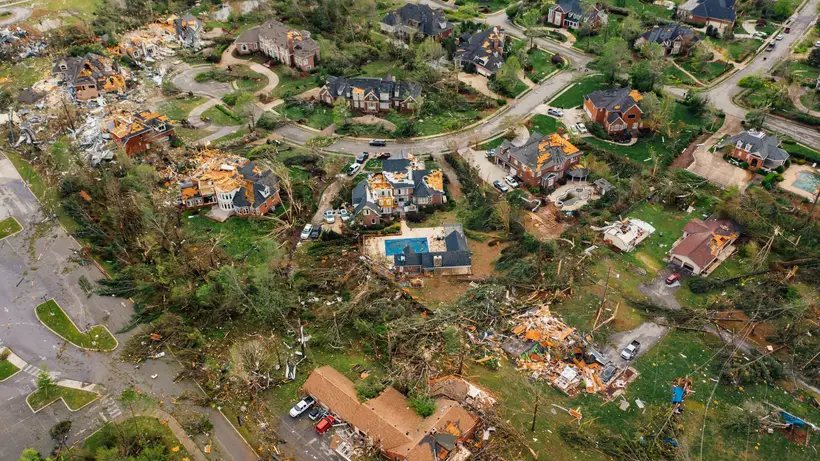
Hurricane roof damage in Tampa doesn’t always look like the pictures on the news. A roof can come through a storm with every shingle in place and still have broken seals, lifted edges or cracked tile that start leaking weeks later. Other times the damage is obvious from the street. Either way, the first step is the same: a careful inspection and a clear record of what’s there.
Hurricane season in Tampa Bay
The Atlantic hurricane season runs from June 1 to November 30, and the National Hurricane Center puts its peak around September 10, with most activity from mid-August to mid-October. Tampa Bay also gets strong summer thunderstorms almost every afternoon, and their gusts do the same kind of damage on a smaller scale. That’s why we treat storm inspections as year-round work, not just something for after a named storm.
What wind does to a roof
Wind doesn’t push straight down on a roof. It pulls up, especially at the edges, corners and ridges, and it drives rain sideways under anything that’s lifted. The damage we document most often:
- Creased or lifted shingles. When the seal strip lets go, a shingle can flap in the wind and crease at the nail line. It may lie flat again afterwards and look fine from the ground.
- Missing shingles and exposed underlayment, usually along the edges and ridges first.
- Cracked, shifted or missing tile, and broken ridge caps on tile roofs.
- Lifted metal panels or failed fasteners at the edges of metal roofs.
- Damaged flashing, vents and soffits, which let wind-driven rain into the attic.
- Impact damage from branches and debris, including punctures in the deck itself.
What our storm inspection includes
We check every slope, not just the side that faced the wind, and the attic where we can reach it. Every sign of damage is photographed with the date, and you get a written report that says what we found, where it is on the roof and what we’d do about it. If we find nothing, the report says that.
You can share the report and photos with your insurer or anyone else you choose. What we don’t do is interpret your policy or negotiate your claim. Florida law doesn’t allow a roofing contractor to do either unless they’re also a licensed public adjuster, and we’re roofers. Our page on insurance claim documentation explains what we can provide.
Temporary repairs and tarping
If water is coming in, the first job is to stop it. We photograph the damage first, then secure a tarp or make a temporary repair so the inside of your home doesn’t get worse while the claim and the permanent repair are sorted out. Keep the receipt and the photos, since your insurer will usually want to see that you took reasonable steps to prevent more damage.
A word on storm chasers
After a big storm, people knock on doors offering free roofs, deductible waivers or gift cards for signing up. In Florida, a contractor offering a rebate, gift or deductible waiver in exchange for a roof inspection or a claim is breaking the law. So is a contractor who asks you to sign over your insurance benefits on a policy issued since January 1, 2023, because those assignments are void. A good contractor gives you an itemized estimate and leaves the decisions to you.
Getting ready before the next one
The best time to look at your roof is before the season starts. Our hurricane roof prep guide covers what to check, and a pre-season inspection gives you a dated record of your roof’s condition, which can be useful if you ever need to show what changed after a storm.
We cover storm inspections across Tampa, Brandon and Riverview.
Where we work
- Hurricane and storm damage in Tampa, FL
- Hurricane and storm damage in Brandon, FL
- Hurricane and storm damage in Riverview, FL
Questions homeowners ask
How long do I have to report hurricane damage to my insurer?
Florida law gives you 1 year from the date of loss to give your insurer notice of a property claim, and 18 months for a supplemental claim on the same loss. Read your own policy too, since it sets out your duties after a loss. Reporting promptly is usually the safer course.
Should I get on the roof to check for damage myself?
Please don't. Wet tile and shingles are slippery, storm damage can hide weakened decking, and falls from roofs are one of the most common injuries after a hurricane. Take photos from the ground and let someone with the right equipment go up.
Can you put a tarp on my roof?
Yes. If water is getting in, a properly secured tarp is the first job. We photograph the damage before we cover it, so the tarp doesn't hide anything you'll need to show later.
What if the inspection finds no damage?
Then we tell you so, with photos to show it. A clean bill of health after a storm is worth having on file too.