Roof Replacement Cost in Tampa: What Drives the Price
Northshore Roofing ·
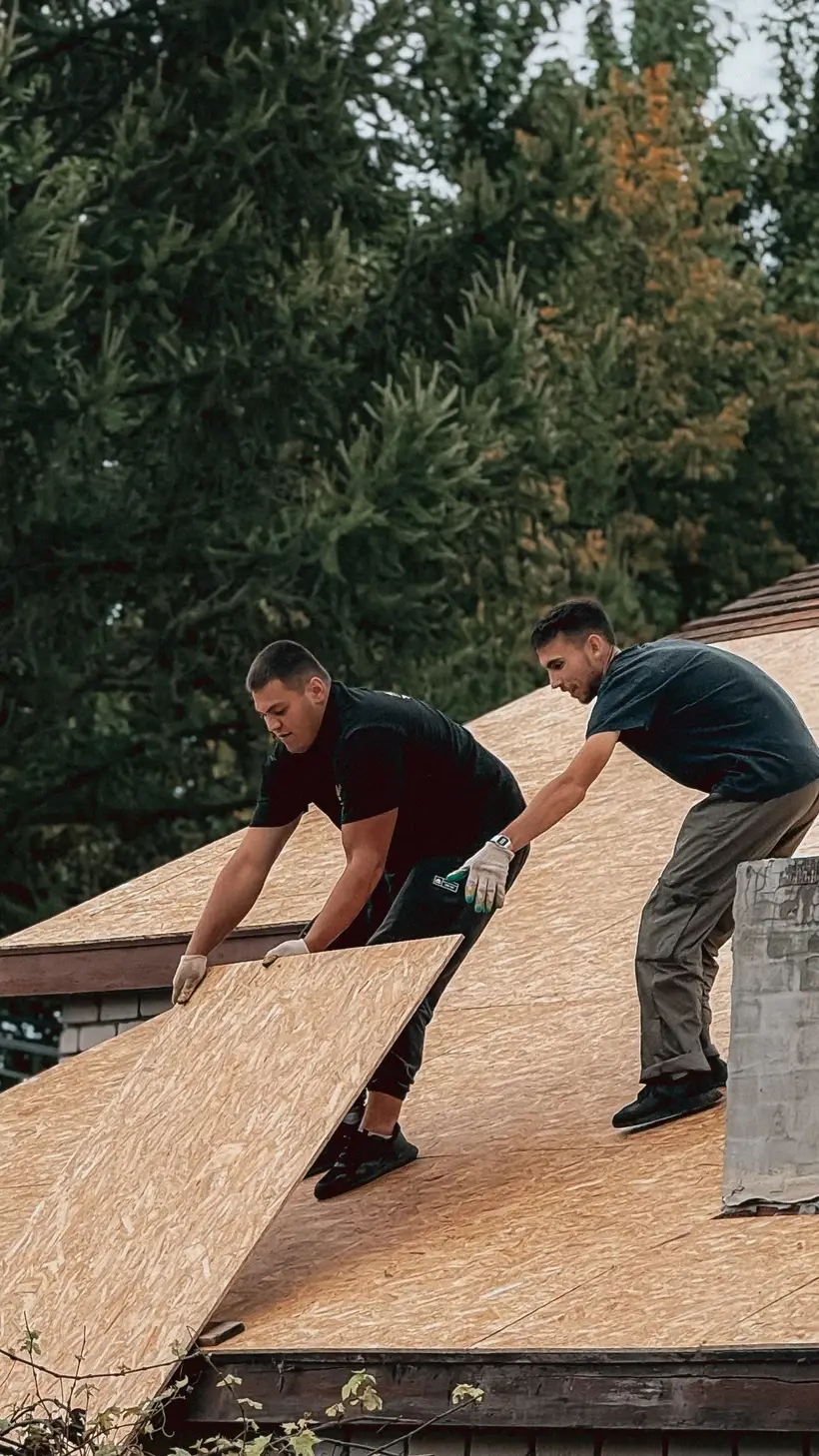
Roof replacement cost in Tampa is one of the first things homeowners ask about, and one of the hardest to answer from a distance. We don’t publish a per-square-foot figure here, because any number we could put on a web page would be wrong for most houses. What we can do is explain what moves the price, so the estimate you get makes sense when you read it.
Size and shape of the roof
Roofers price by the “square,” which is 100 square feet of roof surface. Your roof’s surface area is bigger than your home’s floor area, because of the pitch and the overhangs. A steep roof has more surface than a shallow one over the same footprint.
Shape matters as much as size. A simple gable roof with two flat planes is the quickest to replace. A hip roof with several valleys, dormers, a turret or multiple levels takes far more cutting, flashing and labor per square. Every valley, wall joint and chimney is another place that has to be flashed by hand.
Steep pitches add cost too. Past a certain angle, the crew needs roof jacks, harnesses and staging to work safely, and everything takes longer.
The material you choose
The roof covering is the biggest single line on most estimates. Around Tampa, the common choices are:
- Architectural shingles. The most common choice on homes here. Thicker and longer-lasting than old three-tab shingles, with better wind ratings.
- Concrete tile. Heavier and more expensive to install, but the tile itself can last decades. The underlayment beneath it does the waterproofing and is what eventually needs replacing.
- Clay tile. Similar to concrete tile in how it’s installed, usually at a higher material cost.
- Metal. Standing seam and other metal systems cost more up front, shed water fast and hold up well in wind when installed correctly.
Switching materials can add cost beyond the covering itself. Going from shingle to tile can require an engineer to confirm the roof framing can carry the extra weight.
What’s under the old roof
This is where estimates most often change. Until the old roof comes off, nobody can see every sheet of decking. A good estimate tells you how decking replacement is priced, usually per sheet, so you know in advance what a bad section will cost.
Older Tampa homes add their own surprises. Some have board decking with gaps between the planks rather than plywood. Some have two or three layers of old shingles stacked up, each of which has to be torn off and hauled away. Rot around a past leak, damaged rafters or a sagging section can turn up too.
A careful attic inspection before the job reduces the surprises. It doesn’t remove them entirely, and an honest roofer says so up front.
Code requirements
A replacement in Florida has to meet the current building code, and that can add work an older roof never had: different underlayment, specific nailing patterns for the decking and the covering, and upgraded edge metal. Those requirements exist because of hurricanes, and they are part of what makes a new roof here stronger than the one it replaces.
There’s a nuance for partial work. Florida law says that if a roof was built, repaired or replaced to the 2007 Florida Building Code or later, and 25 percent or more of it is being repaired or replaced, only the portion being worked on has to meet the current code. Older roofs don’t get that exception, which is one reason a large repair on an older roof sometimes becomes a full replacement.
Permits, inspections and disposal
A replacement includes a building permit, and in Tampa that comes from the City of Tampa or Hillsborough County depending on where the house sits. The permit fee, the inspections during and after the job, and the time to manage them are all part of the price.
So is disposal. Old roofing is heavy, and the dumpster, the hauling and the landfill fees are a real line item, especially on a tile roof or one with several layers.
Access and the site
A house with a driveway next to it and nothing in the way is easier to work on than one on a tight lot, with a pool cage below the eaves, or with landscaping that needs protecting. None of that is a reason not to replace a roof. It’s just part of why two roofs of the same size can be priced differently.
Extras worth asking about
Some items are optional, and some only look optional:
- Ventilation. Ridge vents, soffit vents and attic ventilation affect how long the new roof lasts and how hot the attic runs.
- Flashing and pipe boots. Replacing these with the roof costs little compared with coming back for them later.
- Gutters and fascia. If they’re in poor shape, replacing them during the job is easier than after.
- Skylights. An old skylight is often reflashed or replaced during a reroof, since it’s the most likely leak point.
Ways to offset the cost
Two things can soften the cost of a new roof in Florida.
The first is insurance discounts. Florida law requires insurers to include discounts or credits for wind mitigation features in their rates, including roof covering performance, roof strength and roof-to-wall connections. A new roof often adds features that qualify. A wind mitigation inspection documents them for your insurer.
The second is the My Safe Florida Home program, which offers inspections and, when funding is available, matching grants for certain hurricane-hardening work on eligible homesteaded homes built before 2008. The eligible work includes some roof improvements. Check the program’s own rules and current funding before counting on it.
Reading an estimate
When you compare estimates, put them side by side and check that each one covers:
- Tear-off of every existing layer and disposal
- How decking replacement is priced
- The underlayment product and the roof covering product, by name
- Flashing, drip edge, pipe boots and vents
- Permit and inspections
- Cleanup, including a magnet sweep for nails
- The workmanship warranty, in writing
An estimate that leaves out half of these isn’t cheaper. It’s incomplete.
Getting a real number
The fastest way to an accurate price is an inspection. We measure the roof, look at the attic, note the material, the layers and anything unusual, and send you an itemized roof replacement estimate with photos. If you’re nearby, see our page on roofing in Tampa for what we cover.
Questions homeowners ask
Why don't you list a price per square foot?
Because two roofs with the same square footage can need very different work. Pitch, layers, decking and material change the job more than size does. An inspection gives you a real number for your house, not an average that fits nobody.
Why did two estimates for my roof come in so far apart?
Usually because they don't include the same work. Check whether each one prices decking replacement, underlayment type, flashing, vents, the permit and cleanup. The cheaper estimate often leaves some of those out and adds them later.
Can a new roof lower my insurance premium?
It can. Florida requires insurers to offer discounts or credits for wind mitigation features, and some of those features are part of a roof replacement. Ask your insurer or agent what applies to your policy.