Wind Mitigation Inspection: A Guide for Tampa Homeowners
Northshore Roofing ·
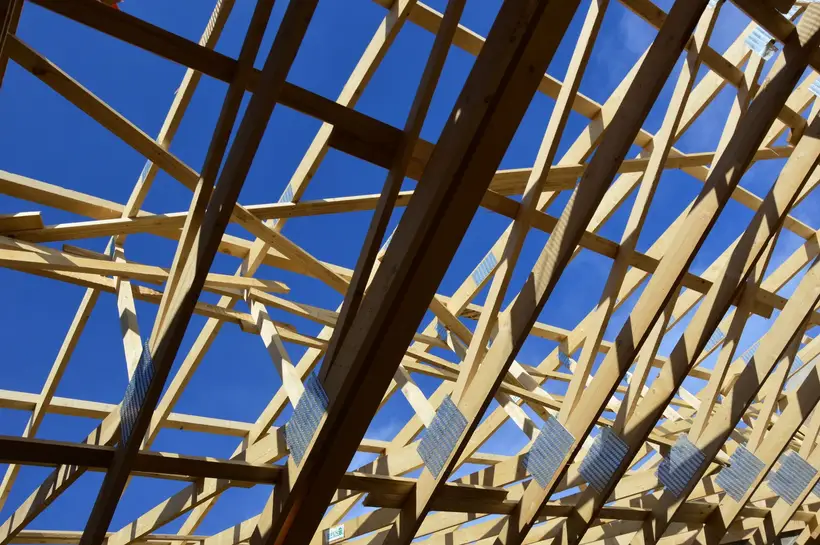
A wind mitigation inspection documents the features of your home that help it resist wind damage. In Florida, those features can affect what you pay for homeowners insurance, because state law requires insurers to account for them in their rates. If you own a home in the Tampa Bay area and have never had one, it’s worth understanding what it is and what it looks at.
Why Florida insurers care
Under Florida law, insurers’ rate filings must include discounts, credits or other rate differentials for construction features that reduce wind damage. The law names the kinds of features that count, including:
- Fixtures or construction that prevent wind uplift
- Roof strength
- Roof covering performance
- Roof-to-wall strength
- Opening protection, such as shutters and impact-rated windows and doors
Insurers must also describe the hurricane mitigation discounts they offer on their websites. A wind mitigation inspection is how those features get documented for your insurer.
What the inspection looks at
Your insurer decides which form it accepts and exactly what goes on it. In general, the inspection covers the parts of the house the law points to, and much of that is about the roof:
The roof covering
The inspector notes the type of roof covering and, where records exist, when it was installed and to which code. A newer roof installed to the current Florida Building Code usually documents better than an older one. Permit records help here.
How the roof deck is attached
Inside the attic, the inspector looks at how the roof decking is fastened to the trusses or rafters. Stronger attachment means the deck is less likely to peel off in high wind. This is one of the features most affected by a roof replacement, because the decking is refastened to current requirements during the job.
Roof-to-wall connections
The inspector checks how the roof structure is tied to the walls. Metal straps, clips or other connectors that hold the trusses down are the kinds of features the law calls roof-to-wall strength.
Secondary water resistance
Some roofs have a secondary water barrier under the main covering, so that if shingles or tiles are lost in a storm, the deck stays sealed. It’s one of the improvements the state’s My Safe Florida Home program lists as eligible work, covered below.
Opening protection
Windows, doors and garage doors are checked for impact-rated products or shutters. This isn’t roof work, but it’s part of the overall picture.
How roof work can help
A roof replacement is often the best chance to improve several of these features at once. With the old roof off, a crew can refasten the deck to current standards, add a secondary water barrier, upgrade roof-to-wall connections where they can be reached, and install a covering rated for high wind. None of those can be added later without taking the roof off again.
That’s why it’s worth getting a fresh wind mitigation inspection after a new roof goes on. A report from before the replacement describes the old roof, not the one you paid for.
My Safe Florida Home
Florida’s My Safe Florida Home program helps eligible homeowners with hurricane mitigation. It offers home inspections and, subject to available funding, grants toward certain improvements. Under the program’s rules, eligible homes are homesteaded single-family homes built before January 1, 2008, with an insured value within the program’s limit.
The eligible work includes roof-related improvements such as roof-deck attachment, secondary water resistance with a new roof covering, and roof-to-wall connections, along with opening protection. Grants generally require a homeowner match, with different terms for low-income homeowners, and funding depends on what the state sets aside each year. Receiving a grant isn’t guaranteed, so check the program’s current rules and status before planning work around it.
Preparing for the inspection
To get the most accurate report:
- Gather your paperwork. Permits, roof installation dates, product approval documents and receipts for shutters or impact windows all help the inspector document what’s there.
- Make the attic reachable. Clear the path to the attic access. The inspector needs to see the deck attachment and the roof-to-wall connections.
- Know your roof’s history. If the roof was replaced, the year and the contractor are useful. The permit usually holds both.
What to do with the report
Send the report to your insurer or agent and ask how it affects your policy. If the report shows features you don’t have, ask what credits those would earn. That tells you which upgrades might pay back over time, and which wouldn’t.
We don’t advise on coverage or premiums. Those questions belong with your insurer, your agent or a licensed public adjuster. What we can do is explain what’s on your roof, what’s under it, and what a replacement would add.
Roof work in the Tampa area
If you’re planning a new roof, or wondering whether your current one would document well, we’re happy to look. An inspection from us covers the roof’s condition, with photos, and an itemized price for any work. We work across the region, including roofing in Tampa and nearby communities. Before hurricane season is a good time, and our hurricane roof prep checklist covers the rest of what to do.
Questions homeowners ask
Who can do a wind mitigation inspection?
It has to be a qualified inspector your insurer will accept, and insurers can be specific about the form they want. Ask your insurer or agent which inspectors and forms they accept before you book.
How long is a wind mitigation report good for?
Insurers set how long they'll accept a report. Major work like a roof replacement can change the results, so getting a new inspection after a reroof is often worth it.
Will a wind mitigation inspection always lower my premium?
Not always. The inspection documents what your home has. Whether that changes your premium depends on your insurer's rates and your policy. Ask your insurer or agent what credits apply.